Buying a Home in Collingwood, Ontario
Collingwood has become one of the most talked-about real estate markets in Ontario. Nestled on the southern shore of Georgian Bay and backed by the Niagara Escarpment, this town of roughly 25,000 permanent residents draws buyers from across the province. Whether you are relocating from the GTA, purchasing a vacation property, or buying your first home, understanding the local market is the first step toward a successful purchase.
Understanding the Collingwood Market
The Collingwood real estate market has a personality of its own. Unlike a typical small-town market, Collingwood sees strong demand from several buyer groups at once: permanent residents, seasonal cottage owners, retirees, remote workers, and investors. This multi-layered demand keeps the market active throughout the year, although spring and early fall tend to be the busiest seasons.
Average home prices in Collingwood have risen steadily over the past decade. Detached homes in established neighbourhoods typically range from the mid-$600,000s to well over $1 million, depending on location, lot size, and proximity to the water or the mountain. Condos and townhomes offer more affordable entry points, with prices starting in the $400,000 range for older units and climbing above $700,000 for newer builds near Blue Mountain.
Setting Your Budget
Before you start browsing listings, take a clear-eyed look at your finances. A mortgage pre-approval from a lender gives you a firm number to work with and shows sellers that you are a serious buyer. In a competitive market like Collingwood, pre-approval can make the difference between landing a home and losing out.
Remember to factor in additional costs beyond the purchase price. Land transfer tax in Ontario is calculated on a sliding scale and can add $8,000 to $15,000 or more to your closing costs. Home inspection fees, legal fees, title insurance, and moving expenses will also need to be budgeted. If you are buying a condo, review the status certificate carefully to understand monthly fees and any upcoming special assessments.
Choosing the Right Neighbourhood
Collingwood offers a range of neighbourhoods to suit different lifestyles. The downtown core appeals to buyers who want walkability, independent shops, and heritage architecture. The east end near Cranberry and the harbour provides a mix of newer builds and waterfront access. Areas closer to Blue Mountain cater to ski and outdoor enthusiasts who value proximity to the resort village.
Take the time to visit neighbourhoods at different times of day and different seasons. A street that feels quiet in February may be bustling with tourists in July. Consider your commute, your daily needs, and what matters most to you in terms of community feel.
Working with a Local Real Estate Agent
A real estate agent who specializes in the Collingwood area brings local knowledge that you cannot get from online listings alone. They will know which streets tend to flood in spring, which builders have a solid reputation, and which properties are likely to hold their value. In a market with a strong seasonal component, local expertise is especially valuable.
Interview two or three agents before choosing one. Ask about their experience in the specific property type you are interested in, whether that is waterfront, condo, new construction, or resale homes.
Making an Offer
Once you find the right property, your agent will help you craft a competitive offer. In Collingwood, multiple-offer situations are not uncommon, especially for well-priced homes in popular neighbourhoods. Your offer should reflect the current market conditions and include appropriate conditions for financing and inspection.
A home inspection is strongly recommended for any resale property. Collingwood homes can range from century-old heritage buildings to brand-new construction, and each comes with its own set of potential issues. An experienced inspector will check the foundation, roof, HVAC systems, plumbing, and electrical to make sure you know exactly what you are purchasing.
Closing the Deal
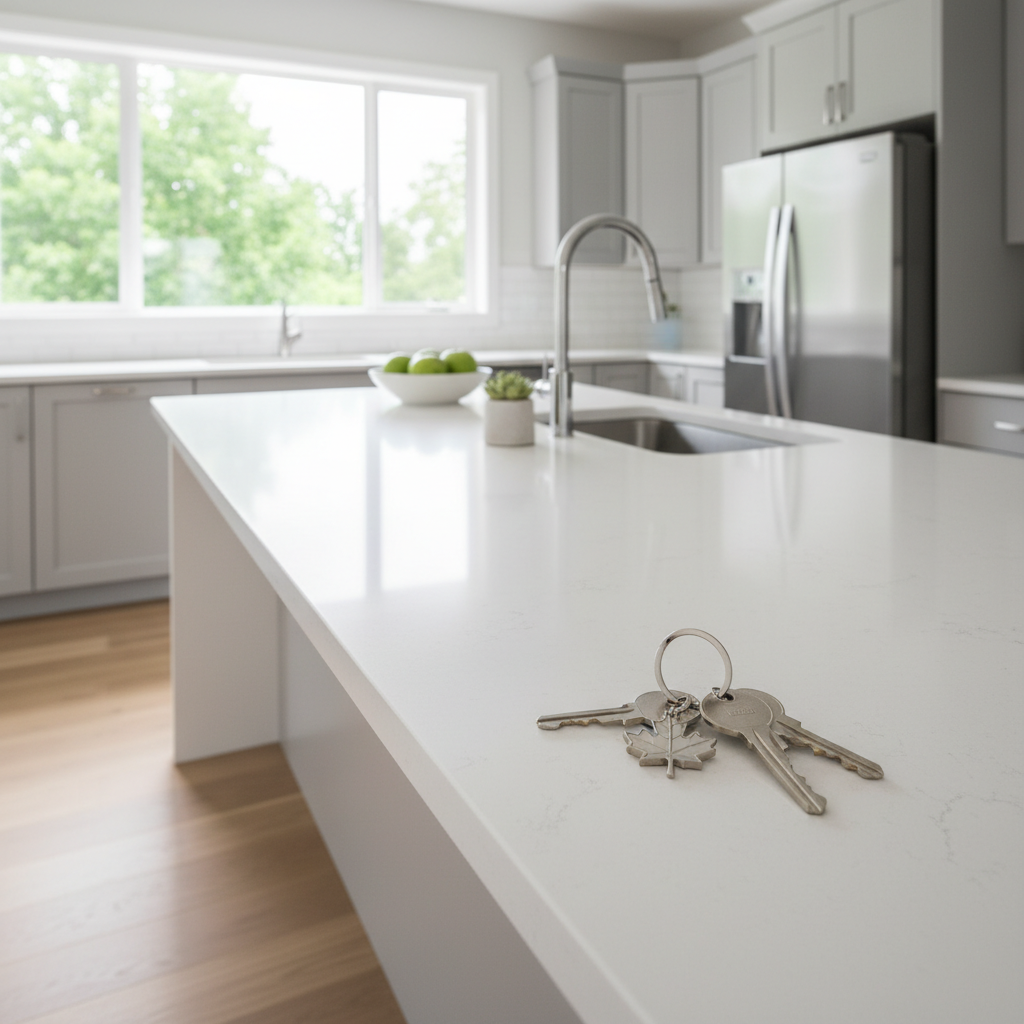
Once your offer is accepted and conditions are waived or fulfilled, your lawyer will handle the title search, land transfer, and closing paperwork. Closing typically takes 30 to 90 days from the date of acceptance, depending on the terms of your agreement. On closing day, your lawyer will transfer the funds, you will receive the keys, and the property will officially be yours.
Tips for Collingwood Buyers
- Get pre-approved for your mortgage before you start house hunting.
- Visit the area in multiple seasons to understand the year-round experience.
- Research property taxes, which can vary significantly between Collingwood proper and surrounding municipalities.
- If buying a condo, review the reserve fund study and minutes of recent board meetings.
- Consider the long-term potential of the neighbourhood, including planned developments and infrastructure improvements.
- Factor in the cost of winter maintenance, especially for properties near the escarpment where snow accumulation is heavier.
Buying in Collingwood is an exciting prospect. With solid preparation and the right team behind you, you can find a property that fits your lifestyle and your budget in one of Ontario's most appealing communities.