Best Neighbourhoods in Collingwood for Different Buyers

Collingwood is a small town, but its neighbourhoods have genuine personality. The heritage homes near downtown, the newer developments climbing toward Blue Mountain, the quiet residential streets of the east end, and the harbourfront condo zone all serve different buyer profiles. Choosing the right area matters as much as choosing the right house, because in a town this size, your neighbourhood shapes your daily experience in direct and practical ways.

This guide walks through Collingwood's distinct residential areas, covering what each one offers, who it tends to suit, and the honest trade-offs that come with each location. Whether you are a first-time buyer, a family needing space, a retiree looking to downsize, or an investor evaluating rental potential, there is a neighbourhood here that fits. The key is matching your priorities to the right part of town.

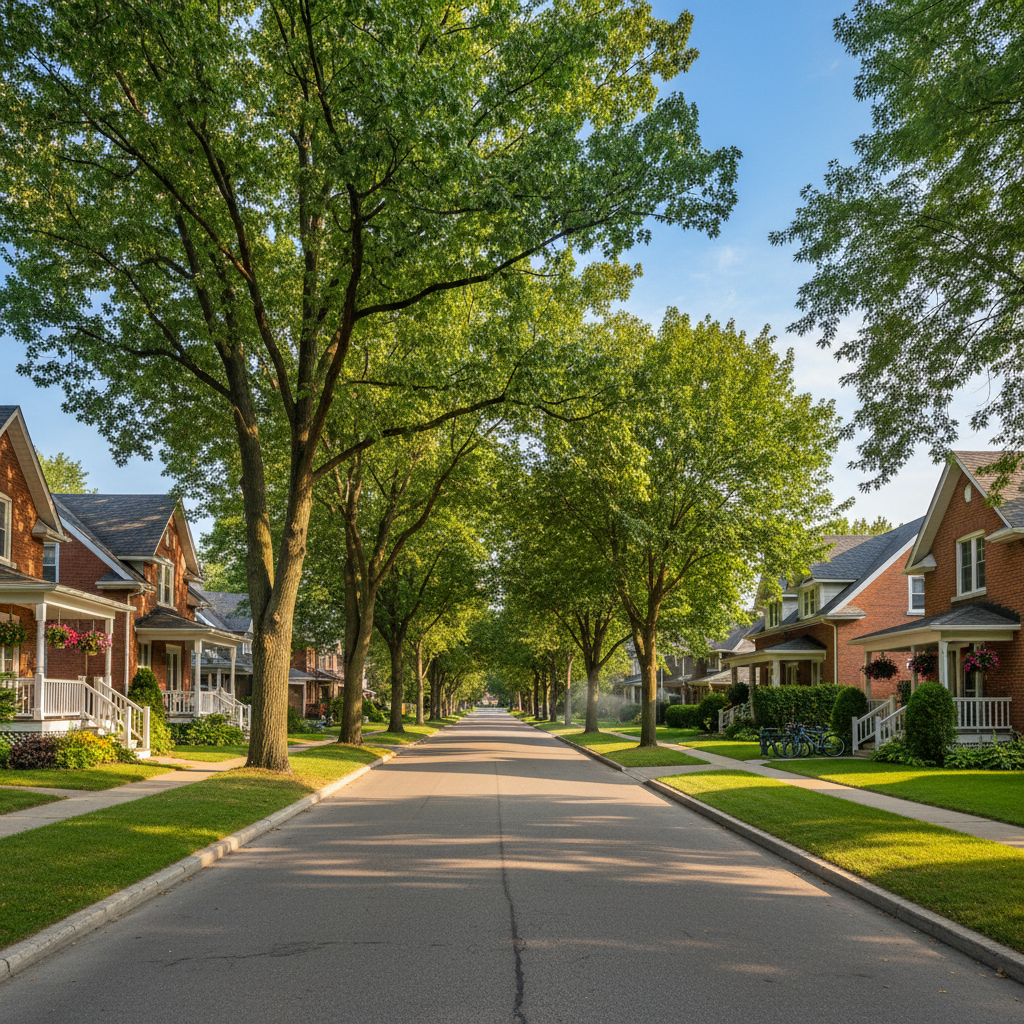
Heritage homes on a tree-lined street in downtown Collingwood

The Heritage District offers century homes, mature trees, and walkable access to Collingwood's downtown core.

The Heritage District: Downtown Character

The Heritage District is the heart of old Collingwood, centered on Hurontario Street and the blocks surrounding it. This area features century homes, many of them beautifully restored, on tree-lined streets within walking distance of downtown shops, restaurants, and the harbour trail. For buyers who value walkability and architectural character, this is the most appealing part of town.

Prices in the Heritage District reflect its desirability. A well-maintained century home here commands a significant premium over comparable square footage in other parts of Collingwood. The homes themselves range from modest Victorian cottages to larger brick and stone houses with modern renovations behind their period facades.

The neighbourhood suits retirees who want to walk to everything, couples without children who appreciate character homes, and anyone who places a high value on being in the centre of town life. Families with young children can do well here too, though yard sizes tend to be smaller than in newer subdivisions.

The trade-offs are predictable: older homes mean older systems. Heating, plumbing, and electrical upgrades are common expenses. Parking can be tight, and lot sizes limit expansion options. But for the right buyer, the Heritage District offers something that newer developments simply cannot replicate. If you are weighing this against retirement-specific needs, our retirement guide goes deeper into walkability and aging in place.

The Mountain Area: New Builds and Resort Proximity

The western and southern edges of Collingwood, climbing toward Blue Mountain, represent the town's growth frontier. Newer subdivisions here offer modern construction, open floor plans, energy-efficient systems, and the kinds of finishes that appeal to buyers who do not want to take on renovation projects.

This area attracts families who need space, remote workers who want a dedicated home office in a modern layout, and ski enthusiasts who value proximity to Blue Mountain Village. Drive times to the mountain from these neighbourhoods can be as short as five minutes, which is a genuine lifestyle advantage for anyone who uses the resort regularly through winter and summer.

Pricing in the mountain area varies with the development. Some builders offer townhouses at moderate prices, while detached homes on larger lots push into the upper range of the Collingwood market. Buyers should pay attention to which developments are within town boundaries and which fall under The Blue Mountains municipality, as tax rates, services, and regulations differ.

The main trade-off is distance from downtown. While the drive is short by city standards, the mountain area lacks the walkable, village-like character of the Heritage District or harbour zone. You will need a car for most errands, and the commercial amenities nearest to these neighbourhoods are concentrated around the Blue Mountain Village resort area, which has a tourist orientation and seasonal pricing. Our ski country real estate guide covers this zone in detail.

Modern townhouse development in Collingwood

Newer townhouse and detached developments near the mountain offer modern layouts and low-maintenance living.

East Collingwood: Established Residential

The east side of Collingwood, running roughly from Ste Marie Street toward the Collingwood Collegiate area, is a broad swath of established residential housing. This is where much of Collingwood's middle market lives. The homes are a mix of bungalows, split-levels, and two-storey houses from the 1970s through 2000s, set on decent-sized lots with mature landscaping.

For families, east Collingwood offers a practical combination: reasonable lot sizes for kids to play, proximity to schools, and prices that are generally lower than the Heritage District or mountain developments. The neighbourhood is car-dependent for most errands, but the distances are short within Collingwood's compact footprint.

Retirees who want a bungalow at a price below Heritage District premiums often find good options in east Collingwood. The homes are generally well-maintained, and the neighbourhood has a settled, quiet character that appeals to people who want residential calm without rural isolation.

The trade-off is aesthetic. East Collingwood does not have the charm of the Heritage District or the newness of the mountain developments. It is a practical, unpretentious residential area. For buyers who prioritize function and value over style, it delivers consistently well.

The Harbour and Waterfront Zone

Collingwood's harbour area has been transformed over the past two decades from an industrial waterfront into a residential and recreational zone. Condominium developments along the harbour offer views of Georgian Bay, walking access to the harbour trail, and a low-maintenance lifestyle that appeals to retirees and part-time residents.

The condo market in the harbour zone serves several buyer types. Retirees who want to lock the door and travel. Investors who rent to seasonal tourists. Remote workers and young professionals who prefer modern condo living over home maintenance. Our rental investment guide is worth reviewing if you are considering a harbour condo as an income property.

Pricing varies widely based on size, views, and the specific development. Entry-level one-bedroom units can be found at the lower end of the market, while larger units with direct water views carry significant premiums. Condo fees add to the monthly cost and should be factored carefully into any budget.

The neighbourhood around the harbour also includes some detached homes and townhouses, particularly along the streets between the harbour and downtown. These offer a middle ground between condo living and traditional home ownership while maintaining walkable access to both the water and the town centre.

South Collingwood: Quiet and Affordable

The areas south of the main commercial corridor, along and around Poplar Sideroad, represent Collingwood's most affordable zone for detached housing. This part of town has a mix of older homes, some newer infill, and a few pockets of rural-residential properties that offer larger lots at lower prices.

South Collingwood suits budget-conscious buyers who want to be within town limits without paying downtown or waterfront premiums. The area is car-dependent and lacks the walkable amenities of more central neighbourhoods, but it provides real value for families or first-time buyers who need space and are comfortable with a short drive to shops and services.

This zone is also where some of Collingwood's light commercial and industrial activity is located, so street-by-street evaluation matters more here than in other neighbourhoods. Some blocks are entirely residential and pleasant. Others sit adjacent to commercial properties that affect noise and aesthetics. Visit the specific streets, not just the neighbourhood, before making decisions. Understanding property tax rates across different parts of town will help you compare the true cost of ownership.

Family-friendly residential neighbourhood in Collingwood

Established residential areas offer mature trees, generous lots, and a settled community feel.

Matching Neighbourhoods to Buyer Types

The best way to narrow your search is to be honest about your priorities and then match them to the neighbourhood that delivers most directly on what matters to you:

  • Walkability and culture: Heritage District. Nothing else in Collingwood comes close for car-free daily living and architectural appeal.
  • Modern homes and mountain access: Western subdivisions toward Blue Mountain. New construction, modern layouts, and easy ski-hill access.
  • Family space on a budget: East Collingwood or south Collingwood. Established homes with decent lots at prices below the premium areas.
  • Low-maintenance waterfront: Harbour condos. Views, trails, and turnkey living. Best for retirees, part-time residents, and investors.
  • Retirement downsizing: Heritage District bungalows for walkability, east Collingwood bungalows for value, or harbour condos for maintenance-free living. Our downsizing guide walks through these options in detail.

How to Evaluate a Neighbourhood

Online research only goes so far. Collingwood is small enough that you can walk or drive every neighbourhood in a single day. Do it at different times: a weekday morning, a Saturday afternoon, and an evening. Notice how the streets feel. Is there foot traffic or just car traffic? Are people walking dogs and talking to neighbours, or is it quiet and disconnected?

Talk to people who live there. Collingwood is a friendly town, and most residents are happy to share honest opinions about their neighbourhood. Ask about winter snow removal, noise levels, and how the area has changed over the past few years. The answers often reveal things that listings and neighbourhood profiles cannot capture.

Pay attention to the direction of growth. Collingwood is expanding, and new developments change the character of adjacent areas. A quiet street at the edge of town today may sit beside a construction site next year. Understanding where the town plan directs growth helps you anticipate changes that will affect your daily experience and your property value over time.

Finally, think about the long term. If you are buying your forever home, prioritize the neighbourhood features that will matter most as your needs evolve. A young family might grow into needing more space. A retiree might eventually need to stop driving. Buying in a neighbourhood that serves you well now and continues to work as your life changes is the smartest investment you can make in a small-town market like Collingwood.