Buying a Condo in Collingwood
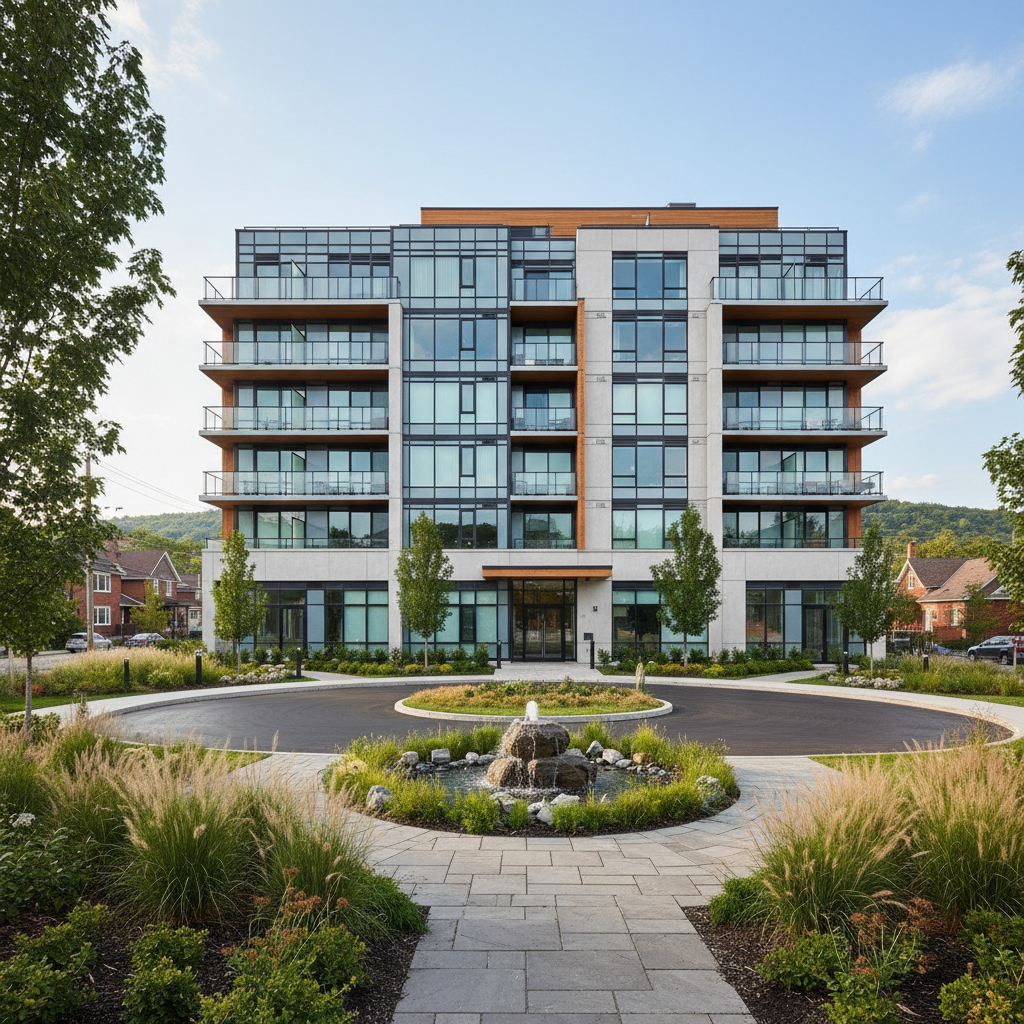
Condominiums have become one of the fastest-growing segments of Collingwood real estate. They offer an attractive combination of low maintenance, modern amenities, and access to the outdoor lifestyle that draws people to this part of Ontario. Whether you are buying a vacation property near the slopes, downsizing from a larger home, or looking for your first foothold in the market, Collingwood condos deserve a close look.
Types of Condos in Collingwood
The Collingwood condo market is more varied than you might expect. You will find everything from compact studio units at the base of Blue Mountain to spacious three-bedroom suites overlooking Georgian Bay. The main categories include:
- Resort-style condos near Blue Mountain Village, often part of rental pools and designed for short-term stays.
- Waterfront condos along the harbour and Shipyards district, offering views of the bay and walking access to downtown.
- Townhome-style condos in newer developments, providing more space and a house-like feel with shared exterior maintenance.
- Mid-rise condos in and around the downtown core, blending urban convenience with a small-town atmosphere.
Condo Prices and What to Expect
Entry-level condos in Collingwood start in the low $400,000 range for older one-bedroom units or smaller resort properties. Newer two-bedroom units in desirable locations typically range from $550,000 to $750,000. Premium waterfront or ski-in/ski-out units can exceed $1 million.
Monthly condo fees in Collingwood generally range from $300 to $800, depending on the building's amenities, age, and reserve fund health. Buildings with pools, fitness centres, and concierge services will sit at the higher end. Older buildings may have lower fees but could face special assessments for major repairs.
What to Check Before You Buy
The status certificate is the single most important document in any condo purchase. It contains the corporation's financial statements, reserve fund study, by-laws, rules, and any pending lawsuits or special assessments. Have your lawyer review it thoroughly before you commit.
Pay attention to:
- The reserve fund balance relative to the building's age and condition.
- Any history of special assessments or planned increases to monthly fees.
- Rental restrictions, especially if you plan to use the unit as an investment property.
- Pet policies, parking allocation, and storage availability.
- Insurance coverage and what the corporation's policy includes versus what you need to carry personally.
New Builds vs Resale Condos
New construction condos in Collingwood often come with builder warranties, modern finishes, and energy-efficient systems. However, they may take two to four years to complete from the time you sign, and the final product does not always match the show suite. Pre-construction buyers should research the builder's track record and understand the deposit schedule.
Resale condos let you see exactly what you are buying before you commit. You can inspect the unit, review the building's history, and talk to current residents about their experience. The trade-off is that finishes may be dated and you may need to budget for renovations.
Condo Living in Collingwood
One of the biggest advantages of condo living in Collingwood is the lock-and-leave convenience. If you are using your unit as a weekend retreat or seasonal property, you can head back to the city knowing that snow removal, landscaping, and building maintenance are handled by the condo corporation.
For permanent residents, condos offer a social aspect that detached homes sometimes lack. Many buildings have common rooms, organized events, and a built-in community of neighbours. This can be especially appealing for retirees or newcomers to the area who want to build connections quickly.
Collingwood's condo market continues to evolve as new projects come online and the town's population grows. Taking the time to understand the different options and do your due diligence will put you in the best position to find a condo that serves you well for years to come.