Collingwood Real Estate Market Overview
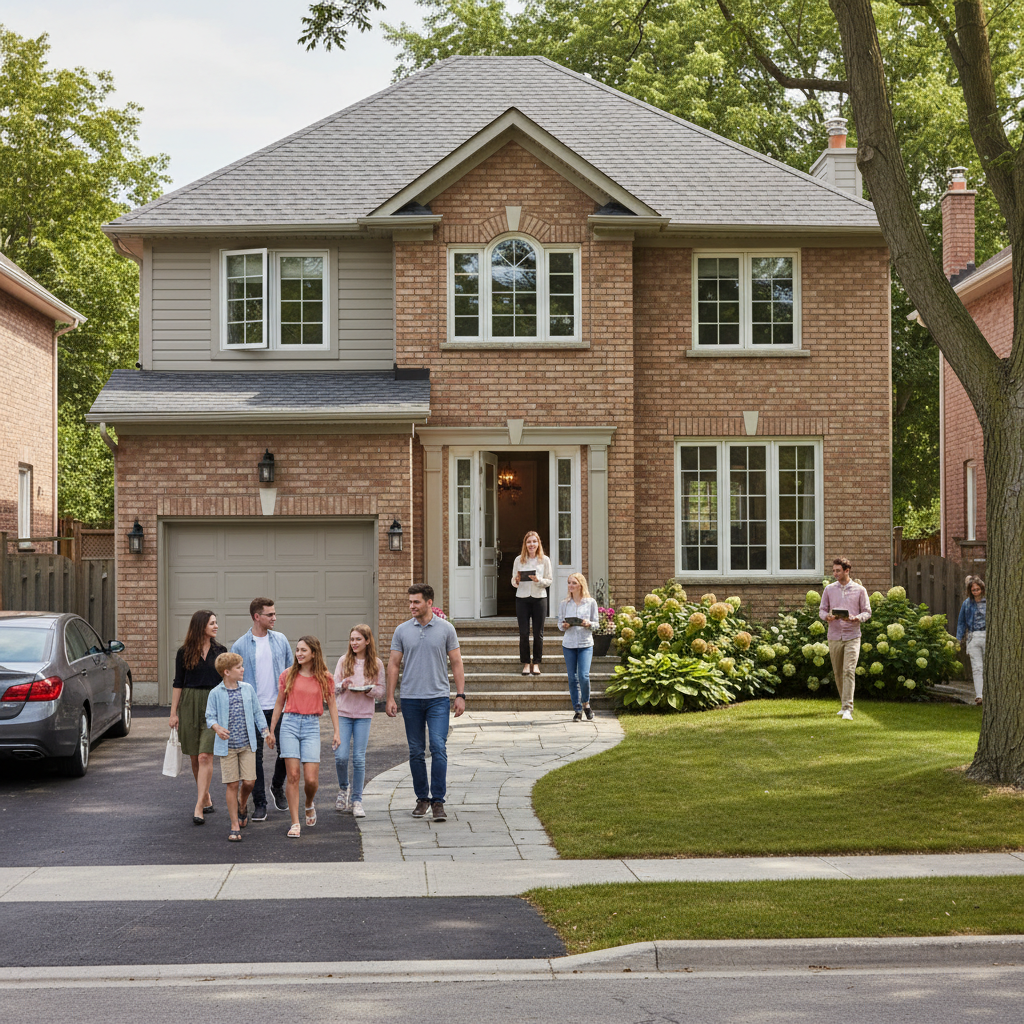
For sale sign in front of a Collingwood home

Buying a home in Collingwood requires an understanding of how this particular market operates. It is not a typical small-town market, and it does not move in lockstep with Toronto or the broader Ontario market either. Collingwood has its own dynamics shaped by seasonal demand, a mix of buyer types, and limited supply in key segments. This overview will help you read the market and time your purchase wisely.

The Big Picture

Collingwood's real estate market has undergone a transformation over the past 15 years. What was once primarily a recreational and retirement market has broadened significantly. Remote work, particularly since 2020, brought a wave of younger buyers and families from the GTA who could work from anywhere and chose Collingwood for its lifestyle. This shift added demand on top of an already growing base of retirees and recreational buyers.

The result has been sustained upward pressure on prices. The average home price in Collingwood has more than doubled since the early 2010s. While the pace of appreciation slowed after the interest rate increases of 2022 and 2023, prices have not retreated significantly. The market has stabilized rather than corrected, suggesting that the demand is fundamental rather than purely speculative.

New construction has added supply, particularly in the form of townhouses and condos on the south and west sides of town. However, new builds alone have not been enough to fully meet demand, and inventory in established neighbourhoods and waterfront areas remains tight.

Price Ranges by Property Type

Understanding price ranges helps you calibrate your expectations before you start touring properties.

  • Condos: Starting in the low $300,000s for older or smaller units, rising to $500,000 and above for newer builds and resort-area properties. Condo fees add $300 to $900 per month depending on the building.
  • Townhouses: Generally $500,000 to $750,000. Newer developments in the south and west end offer modern finishes, while older townhouses in other areas may be priced lower.
  • Detached homes: Starting around $550,000 for fixer-uppers and older properties on the east side, with the bulk of the market falling between $650,000 and $900,000. Premium locations and newer builds push well past $1 million.
  • Waterfront: Starting around $800,000 for limited water access and climbing past $1.5 million for direct Georgian Bay frontage.
  • New builds: Vary widely by builder and lot, but expect $700,000 to $1.2 million for a detached home on a standard lot.

For a detailed look at the condo segment, see our condo buyer's guide. For waterfront specifics, check our waterfront homes guide.

Condo development in Collingwood

Condo developments have added significant inventory to the Collingwood market in recent years.

Seasonal Market Patterns

The Collingwood real estate market follows a pronounced seasonal cycle that differs from urban markets.

Spring (March to May): This is when the market heats up. Listings increase as sellers prepare their homes after winter, and buyers who spent the cold months planning are ready to act. Multiple offers are most common in this period, especially for well-priced properties in desirable areas.

Summer (June to August): Activity remains strong but spreads out. Families want to close before the school year, and recreational buyers often purchase during summer visits. Inventory tends to be at its highest point, giving buyers more choice.

Fall (September to November): The market cools as the tourist season winds down. Motivated sellers who have not closed a deal may reduce prices. This can be a good window for buyers who are flexible on timing.

Winter (December to February): Listings are at their lowest, and buyer activity drops. However, properties that are listed in winter often belong to motivated sellers, and buyers face less competition. If you are comfortable inspecting a property in the snow, winter buying can offer genuine advantages.

Who Is Buying in Collingwood

Understanding the other buyers in the market helps you compete effectively. The Collingwood buyer pool includes several distinct groups.

Remote workers and GTA transplants make up a growing share of buyers. They are typically looking for detached homes with home office space in family-friendly neighbourhoods. They tend to have strong purchasing power and are often willing to pay a premium for move-in ready properties.

Retirees and downsizers are a long-standing buyer segment. Many sell larger GTA homes and bring significant equity, making them competitive buyers. They often prefer newer bungalows, condos, or townhouses that minimize maintenance.

Recreational and investment buyers focus on condos and properties near Blue Mountain. They are primarily interested in rental income potential and personal use during ski and summer seasons. This group is sensitive to interest rates and rental revenue projections.

First-time buyers face the most challenges in Collingwood's market, particularly with rising interest rates. Townhouses and older condos are the most accessible entry points. Our first-time buyer's guide offers strategies for this segment.

New home construction in Collingwood

New residential construction continues to expand Collingwood's housing supply, particularly on the town's edges.

Inventory and Supply

Inventory levels in Collingwood fluctuate more than in larger markets. In a healthy spring market, you might see 150 to 250 active listings across all property types. In winter, that number can drop below 100. The limited supply is a structural feature of the market. Collingwood is bounded by Georgian Bay to the north and the Niagara Escarpment to the south, which constrains outward growth.

New development continues, primarily in the south end and along the western corridors. Several large projects are in various stages of planning and construction, which will add both freehold and condo inventory over the coming years. However, these projects take time to come to market, and the pace of new supply has not been sufficient to tip the balance toward buyers in most segments.

Negotiation and Offer Strategy

Your approach to making offers in Collingwood should reflect the current conditions. In a competitive spring market, be prepared to act quickly, present a clean offer with minimal conditions if you can, and have your financing pre-approved. In quieter months, you have more room to negotiate on price, closing date, and conditions.

Working with a real estate agent who knows the Collingwood market is essential for reading the competitive landscape on a property-by-property basis. They can advise on offer timing, price positioning, and which conditions to include or waive based on the specific situation.

Looking Ahead

Collingwood's long-term market outlook is supported by several factors: continued population growth, ongoing demand from the GTA, limited supply of land, and the town's lifestyle appeal. Interest rate movements will affect affordability and buyer activity in the short term, but the fundamental demand drivers are not going away.

For buyers, the key is to understand the market conditions at the time you are ready to buy, rather than trying to time the market perfectly. Focus on finding a property that meets your needs at a price you can sustain, and Collingwood will likely reward you over time.

If you are just beginning your search, our comprehensive buying guide covers everything from property types to the purchase process. And our neighbourhood guide will help you match your priorities with the right part of town.

Frequently Asked Questions

Is the Collingwood real estate market competitive?

The Collingwood market varies by season and property type. Spring and early summer tend to be the most competitive, with multiple offers common on well-priced listings. The fall and winter months are generally quieter, giving buyers more negotiating room. Waterfront and ski-area properties face the most competition year-round.

Are home prices in Collingwood still rising?

Collingwood has experienced strong price growth over the past decade, driven by demand from recreational buyers, retirees, and remote workers. While the pace of appreciation has moderated compared to the peak years of 2020-2021, prices have remained resilient. Long-term fundamentals, including limited supply and continued population growth, support ongoing value.

How long do homes take to sell in Collingwood?

Average days on market in Collingwood fluctuate seasonally. Well-priced properties in popular areas can sell within one to two weeks during peak season. In the slower months, properties may sit for 30 to 60 days or more. Overpriced listings in any season tend to linger.

Is it better to buy in Collingwood in winter or summer?

Each season has advantages. Summer offers more inventory and lets you inspect outdoor features like landscaping and water access. Winter typically has fewer buyers competing, which can give you better negotiating leverage. The best strategy depends on your timeline and priorities.