Four-Season Living in Collingwood
Most people discover Collingwood during a specific season. Skiers find it in winter. Cottage seekers find it in summer. Leaf-peepers notice it in fall. But buying a home here means committing to all four seasons, and the character of the town shifts meaningfully from one to the next. Understanding that full-year rhythm is essential for anyone thinking about a permanent move.

This guide covers what each season actually looks like in Collingwood, from the practical realities of heating bills and snow removal to the lifestyle opportunities that make each part of the year worth living through. If you are visiting in July and imagining year-round life, or if you have only seen the place on a ski weekend, this will fill in the rest of the picture.

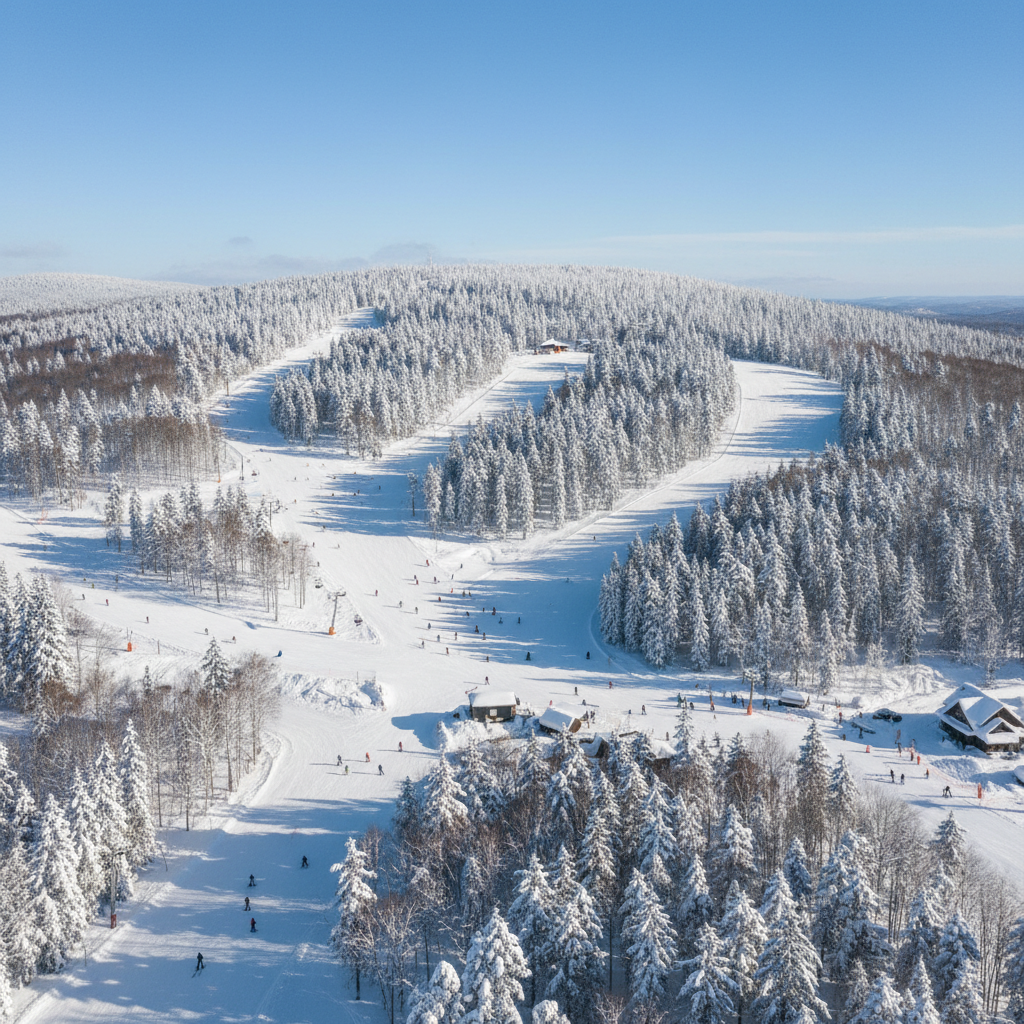
Blue Mountain ski slopes in winter near Collingwood

Winter in Collingwood means ski-hill access, snow-covered streets, and a community that embraces the cold months.

Winter: The Defining Season

Winter is the season that separates the people who thrive in Collingwood from the people who endure it. The town sits in the Georgian Bay snow belt, which means heavier, more consistent snowfall than much of Southern Ontario. Storms that drop 20 to 30 centimetres overnight are not unusual, and the snow season typically runs from late November through March, sometimes stretching into early April.

For winter enthusiasts, this is the main attraction. Blue Mountain is minutes away, with downhill skiing, snowboarding, and terrain parks. Cross-country skiing trails wind through the Collingwood area, including routes along the escarpment and through Scandinavia House trails. Snowshoeing is accessible on hundreds of kilometres of trails. The Nordic Centre at Highlands Nordic offers groomed trails for both classic and skate skiing.

The practical side of winter demands respect. Snow removal is a regular task. Homeowners need either the equipment and willingness to clear their own driveways and sidewalks, or a reliable snow-removal service. The town does a reasonable job on main roads, but residential streets can take time to clear after major storms. Driving requires winter tires, confidence in snow conditions, and patience during whiteouts that Georgian Bay proximity can produce.

Heating costs are significant. Natural gas is available in the town core and most residential areas, which is the most economical heating option. Properties outside the gas network may rely on propane, oil, or electric heating, all of which cost more. Insulation quality varies widely, especially in older homes. A well-insulated home with efficient heating keeps winter costs manageable. A drafty older home will drain your budget between December and March.

Socially, winter in Collingwood is active. The ski culture brings energy to the town, restaurants are busy, and the Blue Mountain Village provides a gathering point for winter recreation. The YMCA, community clubs, and indoor facilities keep people connected. Retirees who embrace winter activities, whether gentle or vigorous, report that the season passes quickly. Those who stay indoors waiting for spring can find the months dragging. Our retirement guide addresses this dynamic for retirees specifically.

Spring: Mud Season and Renewal

Spring in Collingwood arrives gradually and without much glamour. March and early April often feature a messy mix of melting snow, mud, and grey skies. The snow retreats slowly, and the landscape can look bleak before the green arrives. Locals call it mud season, and it is the least picturesque time of year.

By late April and into May, the transformation begins. Trees leaf out, trails dry up, and the harbour area comes alive with walking and cycling traffic. Spring is when many residents rediscover outdoor spaces after months of indoor focus. Garden centres open, farmers markets start their season, and the town begins to shift from its winter identity toward its summer one.

For homebuyers, spring is a significant season in the real estate market. Listings increase as the weather improves, and buyers who have been watching through winter often make their moves. The competition for desirable properties can intensify between April and June, which is worth understanding if you are planning your timing.

Practically, spring brings its own concerns for homeowners. Snowmelt can reveal drainage issues that were invisible in summer and frozen over in winter. Basements in low-lying areas or near watercourses can experience water intrusion during the spring melt. If you are buying a home, asking about basement water history and examining the grading around the foundation during spring conditions is time well spent.

Summer: Peak Season

Summer is when Collingwood reveals the version of itself that makes people want to live here. Georgian Bay is warm enough for swimming from late June through September. The harbour trail and beaches fill with walkers, runners, and cyclists. Blue Mountain shifts to its summer programming, with mountain biking, hiking, the gondola, and adventure activities drawing visitors and residents alike.

The downtown comes fully alive. Patios open, festivals fill the weekends, and the streets have an energy that feels a world away from the quiet midweek atmosphere of February. The farmers market runs on Saturdays and draws crowds. Sailing, kayaking, paddleboarding, and fishing on Georgian Bay provide daily recreation that never gets old for people who love being on the water.

The trade-off is tourism traffic. Collingwood and the surrounding area experience significant visitor volume in summer, particularly on weekends. Highway 26, the main east-west route through the region, can get congested. Restaurants have waits. The beach at Wasaga, a short drive away, draws enormous crowds. Year-round residents learn to navigate the seasonal surge, but it is a real change from the quieter months and something buyers should experience before committing.

Snow-covered residential street in Collingwood during winter

Winter transforms Collingwood's residential streets into snow-belt landscapes that demand practical preparation.

Fall: The Best-Kept Secret

Many residents consider fall the best season in Collingwood. The Niagara Escarpment and surrounding forests produce spectacular autumn colour from late September through mid-October. The crowds thin after Labour Day, but the weather often remains mild and clear through October. Trails that were busy in summer become peaceful, and the bay takes on a deeper blue against the changing leaves.

Hiking is at its best in fall. The Bruce Trail, which runs through the escarpment near Collingwood, offers some of the finest autumn walking in Ontario. Scenic Caves, a short drive from town, provides elevated views of the colour from suspended bridges and lookout points. The apple orchards south of town open for picking, and the agricultural character of the region becomes visible in farm stands and harvest events.

For homebuyers, fall offers a useful window. The summer rush has eased, some listings have been on the market long enough for price adjustments, and you can evaluate properties in cooling weather that starts to hint at winter conditions. Visiting in October lets you see how a home handles the transition from warm to cold, including heating system performance and window insulation quality.

The transition from fall to winter happens faster than most newcomers expect. By November, snow is common, temperatures drop below freezing regularly, and the landscape shifts decisively toward winter. Residents who have been through it before are ready. First-year residents sometimes get caught off guard by how quickly the change happens.

Practical Considerations for Year-Round Living

Living in Collingwood through all four seasons means dealing with a wider range of home maintenance demands than a temperate climate requires. Some practical factors to consider:

  • Heating system capacity: Make sure any home you buy has a heating system rated for the climate. Older furnaces may struggle in extreme cold. Heat pumps work well for shoulder seasons but most need a backup system for the coldest weeks.
  • Roof and gutter maintenance: Heavy snow loads and ice damming are real concerns. Roof pitch, insulation, and ventilation all affect how well a home handles winter precipitation.
  • Vehicle readiness: Winter tires are not optional. Budget for them, along with the seasonal swap. All-wheel or four-wheel drive is helpful but not strictly necessary if you have good tires and conservative driving habits.
  • Seasonal storage: Kayaks, bikes, skis, snowshoes, garden equipment, and seasonal furniture all need somewhere to go. Homes with garages or outbuildings are significantly more practical for year-round living than those without. If you are evaluating neighbourhoods, our neighbourhood guide notes which areas tend to offer more storage-friendly properties.
  • Tax and cost planning: Utility costs peak in winter, and maintenance demands follow seasonal patterns. Our property tax guide and the broader cost of living overview help you budget across the full year.
Families enjoying a park in the Collingwood area during warmer months

Summer and fall bring parks, trails, and outdoor events that define the lifestyle appeal of the area.

Is Four-Season Living Right for You?

The people who are happiest in Collingwood year-round tend to share a few traits. They actively enjoy at least two of the four seasons outdoors. They have a realistic understanding of winter and either embrace it or have strategies for getting through it comfortably. They appreciate the rhythm of a town that changes character through the year rather than staying static.

Buyers who are less certain about winter should strongly consider a trial period. Renting for a winter season before buying lets you experience February in Collingwood firsthand, with its short days, heavy snow, and the particular quiet that settles over a small town between storms. If that appeals to you, or at least does not alarm you, this town will reward you across every season.

The Georgian Bay region offers one of the most genuinely four-season lifestyles in Ontario. Collingwood sits at the centre of that offering, with mountain, water, escarpment, and farmland all within easy reach. For buyers who want a home that connects them to the natural world through every month of the year, it is hard to find a better place to be.