Collingwood as a Rental Investment
Collingwood's combination of year-round tourism, a growing permanent population, and proximity to Blue Mountain makes it one of the more interesting rental investment markets in Ontario outside the GTA. But "interesting" does not automatically mean "profitable." The rental investment landscape here has nuances that separate successful investors from those who overestimate returns and underestimate costs.
This guide covers both short-term and long-term rental strategies in the Collingwood area, the realistic income potential, the regulatory environment, and the practical factors that determine whether a rental property here will strengthen your portfolio or drain it.
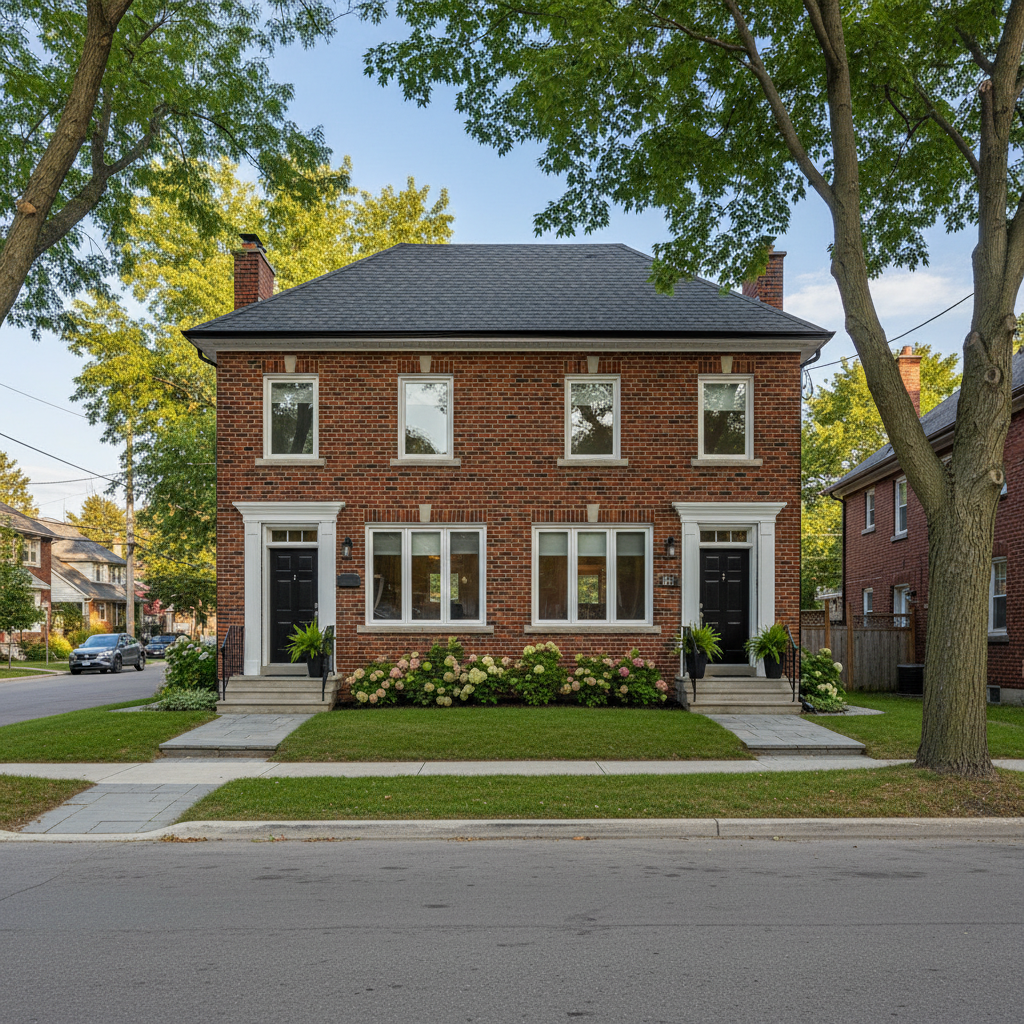
Rental properties near Collingwood serve both the tourism market and a growing year-round tenant base.
Short-Term Rentals: The Tourism Play
Short-term rentals, primarily through platforms like Airbnb and VRBO, drive most of the investor interest in the Collingwood area. The logic is straightforward: Blue Mountain and Georgian Bay attract visitors year-round, and those visitors need places to stay. A well-positioned property can command premium nightly rates during peak periods, particularly winter ski season and summer holiday weekends.
Peak winter rates for properties near Blue Mountain can be substantial, especially during holiday weeks and long weekends. A two-bedroom condo within walking distance of the resort village might command $250 to $400 per night during peak ski weeks. A larger chalet or townhouse with space for groups can push significantly higher. Summer rates have been climbing as Blue Mountain expands its warm-weather attractions, though they typically sit below winter peaks.
The challenge is occupancy. Peak-rate weekends are one thing. Midweek occupancy in shoulder seasons is another. Most short-term rental properties in the Collingwood area experience significant occupancy variation through the year. January through March is strong. July and August are solid. The shoulder months of April, May, October, and November can see occupancy drop considerably, sometimes to the point where revenue barely covers carrying costs.
Realistic annual revenue projections need to account for this seasonality. Investors who calculate returns based on peak-rate weekends across 52 weeks are setting themselves up for disappointment. A more honest approach models conservative occupancy rates, includes vacancy buffers, and factors in the costs that eat into gross revenue.
Short-Term Rental Costs
The expense side of short-term rentals in Collingwood is where many investment calculations fall apart. Several cost categories are unique to or amplified by the short-term rental model:
- Property management: Most investors who do not live locally use a property management company. Management fees typically range from 20 to 30 percent of gross rental revenue, plus additional charges for guest coordination, cleaning coordination, and emergency response.
- Cleaning and turnover: Each guest stay requires professional cleaning. With frequent short stays, cleaning costs add up quickly and are often higher than investors anticipate.
- Furnishing and supplies: Short-term rentals need to be fully furnished and stocked with linens, kitchen supplies, toiletries, and other guest amenities. Initial setup costs are substantial, and replacement of worn items is ongoing.
- Maintenance and repairs: Guest use accelerates wear and tear. Items break more frequently, and the standard of repair needs to be higher than a long-term rental to maintain positive reviews and booking rates.
- Insurance: Standard homeowner insurance typically does not cover short-term rental activity. Specialized short-term rental insurance costs more and may have exclusions that require careful review.
- Licensing and taxes: Municipal licensing fees and the Municipal Accommodation Tax (MAT) add to the cost structure. These are regulatory requirements that reduce net revenue.
Short-Term Rental Regulations
The regulatory landscape for short-term rentals in the Collingwood area has been tightening, and investors need to understand the current rules and the direction of travel. Both the Town of Collingwood and The Blue Mountains municipality have implemented or are developing regulations around short-term rental properties.
Licensing requirements, occupancy limits, parking requirements, and noise bylaws all affect how you can operate a short-term rental. Some areas have more restrictive rules than others, and enforcement has been increasing as permanent residents push back against the impacts of heavy short-term rental activity in their neighbourhoods.
Before purchasing a property for short-term rental purposes, verify the current regulations in the specific municipality where the property is located. Confirm that the property can be legally used for short-term rentals, and understand any conditions or limitations that apply. Regulations in this area are actively evolving, and what is permitted today may change.
Tourism at Blue Mountain Village drives short-term rental demand but comes with seasonal variation and regulatory considerations.
Long-Term Rentals: The Steady Alternative
Long-term rentals receive less attention than short-term rentals in the Collingwood investment conversation, but they offer a fundamentally different risk profile that some investors prefer. The growing permanent population in Collingwood, combined with a housing supply that has not kept pace with demand, has created a tight long-term rental market.
Monthly rents for apartments and houses in Collingwood have increased alongside property values. A two-bedroom apartment in a decent location can command rents that, while lower than peak short-term rates, provide consistent year-round income without the seasonal volatility, management intensity, and turnover costs of short-term rentals.
The trade-offs are predictable. Long-term rental yields are lower on a per-night basis. Ontario's Residential Tenancies Act provides significant tenant protections that can make problem situations difficult to resolve. Rent control provisions limit annual increases on occupied units. These are not reasons to avoid long-term rentals, but they are factors that informed investors weigh carefully.
For investors who want rental income without the operational complexity of short-term hosting, long-term rentals in Collingwood can provide a stable, lower-maintenance path to returns. Properties near the town centre, hospital, or schools tend to attract the most reliable long-term tenant pool.
Where to Invest in the Collingwood Area
Location within the broader Collingwood area significantly affects the type of rental strategy that works and the returns you can expect:
Near Blue Mountain Village: This zone has the highest short-term rental demand and the most established rental infrastructure. Resort-area condos are the typical investment vehicle. Competition is intense, and the market is saturated in some building types. Our ski country real estate guide covers this area in detail.
Collingwood harbour and downtown: Properties here serve both the tourism market and the long-term rental market. A harbour condo can function as a short-term rental during peak seasons and a long-term rental or personal-use property during quieter months. The neighbourhoods guide helps identify specific areas with the strongest rental appeal.
East Collingwood and residential areas: These neighbourhoods suit long-term rental strategies. The demand comes from year-round residents, workers in the local service economy, and families who cannot yet afford to buy. Yields are steadier but lower than tourism-driven areas.
Wasaga Beach: Offers lower purchase prices and summer rental demand, but winter occupancy for short-term rentals can be very weak. Best suited to investors with a long-term hold strategy who can tolerate seasonal income variation.
Running the Numbers
A credible investment analysis for a Collingwood rental property needs to account for realistic revenue and comprehensive expenses. Here is a framework for evaluating a potential purchase:
- Gross rental revenue: Model conservatively. Use realistic occupancy rates by month, not annual averages. Account for the gap between peak rates and shoulder-season rates.
- Operating expenses: Include property management, cleaning, maintenance, insurance, licensing, utilities during vacant periods, property taxes, and condo fees if applicable. The property tax guide provides the tax component.
- Mortgage and financing: Investment property mortgage rates are higher than owner-occupied rates. The down payment requirement is typically 20 percent or more. Factor in the actual financing cost, not the best-case rate.
- Capital reserves: Budget for appliance replacement, furniture wear, and building maintenance. A property that looks good at purchase will need investment over time to maintain rental quality and guest satisfaction.
- Net cash flow: Subtract all expenses from gross revenue. If the number is negative or barely positive, you are depending entirely on property appreciation for your return. That is a speculative position, not an income investment.
Condo investments near the resort area offer the highest short-term rental potential but require careful cost analysis.
Risks and Considerations
Every investment carries risk, and rental property in Collingwood is no exception. Several risks deserve honest acknowledgment:
Regulatory risk is real and ongoing. Municipalities across Ontario are increasing regulation of short-term rentals. A property purchased today under one set of rules could face significantly more restrictive rules in the future, affecting both income and resale value.
Market saturation in the resort-area condo segment means competition for bookings is intense. Newer, better-appointed properties can quickly make older units less competitive, forcing rate reductions or extended vacancy periods.
Interest rate sensitivity affects both your financing costs and the broader market. Higher rates reduce your net returns and can also suppress property values, affecting your equity position.
Climate risk, while longer-term, is relevant for properties whose value depends on winter tourism. Shorter or less reliable ski seasons could reduce demand in the resort area specifically.
Is Collingwood a Good Rental Investment?
The honest answer is that it depends entirely on the specific property, the price you pay, your financing terms, and whether you run it efficiently. The Collingwood area has genuine demand drivers, a growing population, and natural attractions that support tourism. Those are positive fundamentals.
But fundamentals do not guarantee returns on any individual property. Investors who do well in this market typically buy at disciplined prices, manage costs aggressively, and have a clear strategy that accounts for seasonality and regulatory change. Those who overpay based on optimistic projections or fail to account for the full cost structure often find that the investment underperforms.
Do the math honestly. Visit the area in every season. Talk to other investors and property managers about actual, not projected, results. If the numbers work under conservative assumptions, Collingwood can be a rewarding place to invest. If they only work under best-case scenarios, proceed with caution.