Collingwood Property Taxes: What Buyers Should Expect

Property taxes are one of those costs that buyers often underestimate when shopping for a home. In Collingwood, where home values have risen sharply over the past decade, the annual tax bill on a residential property can represent a significant ongoing expense. Understanding how Collingwood's property tax system works, what rates look like, and how they compare to neighbouring municipalities helps you budget accurately and avoid surprises after closing.

This guide explains the structure of property taxes in Collingwood, provides context for how rates compare across the region, and covers the practical details that buyers should factor into their purchasing decisions.

Couple reviewing documents and planning a home purchase

Understanding the full cost of ownership, including property taxes, is essential before making an offer.

How Property Taxes Work in Collingwood

Property taxes in Ontario are calculated by multiplying the assessed value of your property by the combined municipal and education tax rate. In Collingwood, as in every Ontario municipality, the assessed value is determined by the Municipal Property Assessment Corporation (MPAC). This assessment is supposed to reflect the market value of the property, though reassessments do not happen every year and the assessed value can lag behind or ahead of actual market conditions.

The tax rate itself is set annually by the Town of Collingwood and includes the municipal portion (which funds local services like roads, water, sewer, fire, parks, and recreation) and the education portion (set by the province). Simcoe County also levies a portion for county-level services. All three components are combined into a single tax bill.

For residential properties, the total tax rate in Collingwood has historically been moderate by Ontario standards. It is lower than many GTA municipalities but higher than some rural townships in the surrounding area. The exact rate changes annually based on the town's budget needs and assessment adjustments.

What Buyers Actually Pay

The dollar figure on your tax bill depends on two variables: the assessed value of your property and the current tax rate. Because Collingwood home values have increased substantially, even a moderate tax rate can produce a tax bill that surprises buyers accustomed to lower-value markets.

As a general benchmark, a residential property assessed at $500,000 in Collingwood might generate an annual property tax bill in the range of $4,500 to $5,500, depending on the exact year and rate. Properties assessed at $700,000 or higher will see proportionally larger bills. Condominiums, which tend to have lower assessed values, typically carry lower total tax bills, though the combined burden of taxes plus condo fees can exceed what a detached homeowner pays in taxes alone.

It is important to note that the assessed value used for tax purposes may not match the purchase price you pay. MPAC assessments are based on a valuation date that may be several years old. A property purchased at a higher market price may still be taxed at the older, lower assessment until the next reassessment cycle catches up.

Comparing Collingwood to Nearby Municipalities

Tax rates vary across the municipalities in the Georgian Bay region, and the differences can add up to meaningful annual savings or costs. Understanding these differences is especially useful for buyers who are comparing properties in multiple towns.

The Blue Mountains: Properties in The Blue Mountains municipality, which includes the Blue Mountain Village resort area and parts of Thornbury, tend to have similar or slightly higher tax rates than Collingwood. The resort area properties carry a specific mix of residential and commercial assessment that can affect the effective rate.

Clearview Township (Stayner, Creemore): Clearview generally has lower tax rates than Collingwood. Combined with lower assessed property values, buyers in Stayner or Creemore often see noticeably smaller annual tax bills. The trade-off is access to fewer municipal services, as smaller townships provide a different level of infrastructure than a town the size of Collingwood.

Wasaga Beach: Wasaga Beach tax rates have fluctuated as the town invests in infrastructure to support its growing population. Rates tend to be roughly comparable to Collingwood, but lower assessed property values mean the actual dollar amount on the bill is often less for an equivalent house.

Buyers comparing tax rates often look at Shelburne. See Shelburne.com for current municipal tax information, as Shelburne has historically offered lower rates that appeal to budget-conscious buyers.

For sale sign in front of a Collingwood residential property

Property taxes should be factored into your total ownership cost calculation alongside mortgage, insurance, and maintenance.

What Your Property Taxes Fund

Understanding where your tax dollars go can help you evaluate whether Collingwood's rate represents good value. The municipal portion of your taxes funds a range of services that directly affect your quality of life as a resident:

  • Roads and snow removal: Collingwood's snow belt location means winter road maintenance is a significant budget item. The town generally does a solid job of keeping roads and sidewalks clear, which is a direct benefit of adequate tax funding.
  • Water and sewer: Municipal water and sewer service is available throughout the town core. Properties on these systems benefit from reliable service, though water bills are charged separately from property taxes.
  • Fire and emergency services: Collingwood's fire department serves the town and provides mutual aid to surrounding areas. Response times within town limits are generally good.
  • Parks and recreation: The harbour trail, parks, sports fields, and recreational programming are all supported by tax revenue. The town has been investing in trail expansion and facility upgrades.
  • Library and cultural services: The Collingwood Public Library and various cultural programs receive municipal funding and serve as important community hubs.

The education portion of your taxes goes to the provincial education system and is not controlled by the town. The county levy funds regional services including ambulance, social services, and county road maintenance.

Tax Increases and Trends

Like most Ontario municipalities, Collingwood has seen annual property tax increases that reflect both rising municipal costs and infrastructure needs. Tax increases in the range of two to four percent per year have been common, though specific years may see larger or smaller adjustments depending on capital projects and budget pressures.

For buyers on fixed incomes, particularly retirees, annual tax increases represent a long-term budget consideration. A two to three percent annual increase compounds over time, and a tax bill that seems manageable at purchase can become a strain after a decade of incremental increases. Our retirement guide addresses this in the context of overall fixed-income planning.

Provincial reassessments, when they occur, can also shift individual tax burdens. Properties that have appreciated faster than the municipal average may see a larger tax increase at reassessment, while properties that have appreciated less may see relative relief. The timing and scope of reassessments are determined by the province and have been irregular in recent years.

Practical Tips for Buyers

Several practical steps help you manage property tax implications when buying in Collingwood:

  • Check the current tax bill: Ask the seller or your real estate agent for the actual tax bill on the property. This tells you exactly what the current owner is paying and gives you a concrete number to work with.
  • Verify the assessed value: Look up the MPAC assessment for the property. If the assessed value is significantly below what you are paying, expect a future reassessment to bring taxes higher. If it is close to or above your purchase price, taxes are less likely to spike at reassessment.
  • Budget for annual increases: Plan for two to four percent annual increases in your long-term budget. This is conservative but realistic for a growing municipality with infrastructure demands.
  • Compare across municipalities: If you are considering properties in both Collingwood and adjacent municipalities like Clearview or The Blue Mountains, calculate the actual annual tax difference. Even a few hundred dollars per year adds up over the life of ownership.
  • Factor taxes into your mortgage qualification: Lenders include property taxes in their affordability calculations. Higher taxes reduce the mortgage amount you qualify for, which can affect your purchasing power.
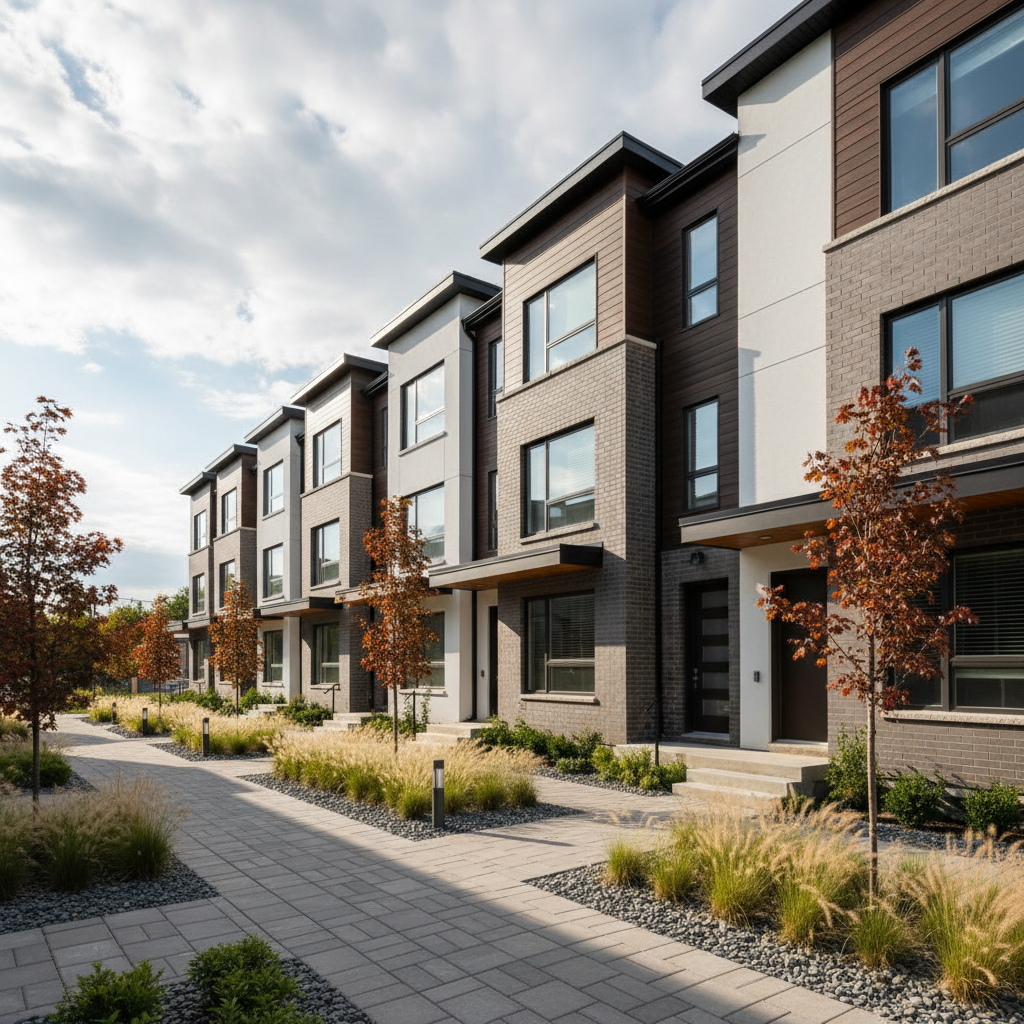
Residential street in a Collingwood neighbourhood

Different neighbourhoods and property types carry different tax burdens based on assessed value.

Taxes as Part of the Bigger Cost Picture

Property taxes are one component of total ownership cost, and smart buyers evaluate them alongside other expenses. In Collingwood, heating costs during winter, home insurance, maintenance on older homes, and potential condo fees all contribute to the annual cost of ownership. Viewing taxes in isolation can be misleading.

A lower-assessed property in east Collingwood may have lower taxes but higher maintenance costs if the home is older. A new-build near the mountain may have a higher assessed value and higher taxes, but lower maintenance and heating costs due to modern construction. A condo has lower property taxes but adds monthly fees that a detached home does not carry.

The neighbourhoods guide helps you understand how location within Collingwood affects not just taxes but the full spectrum of ownership costs. And for investors considering Collingwood properties, our rental investment guide covers how property taxes affect return calculations for income properties.

Approaching property taxes as part of your total cost picture, rather than as an isolated line item, leads to better buying decisions and fewer financial surprises after you move in.