Ski Country Real Estate: Buying Near Blue Mountain
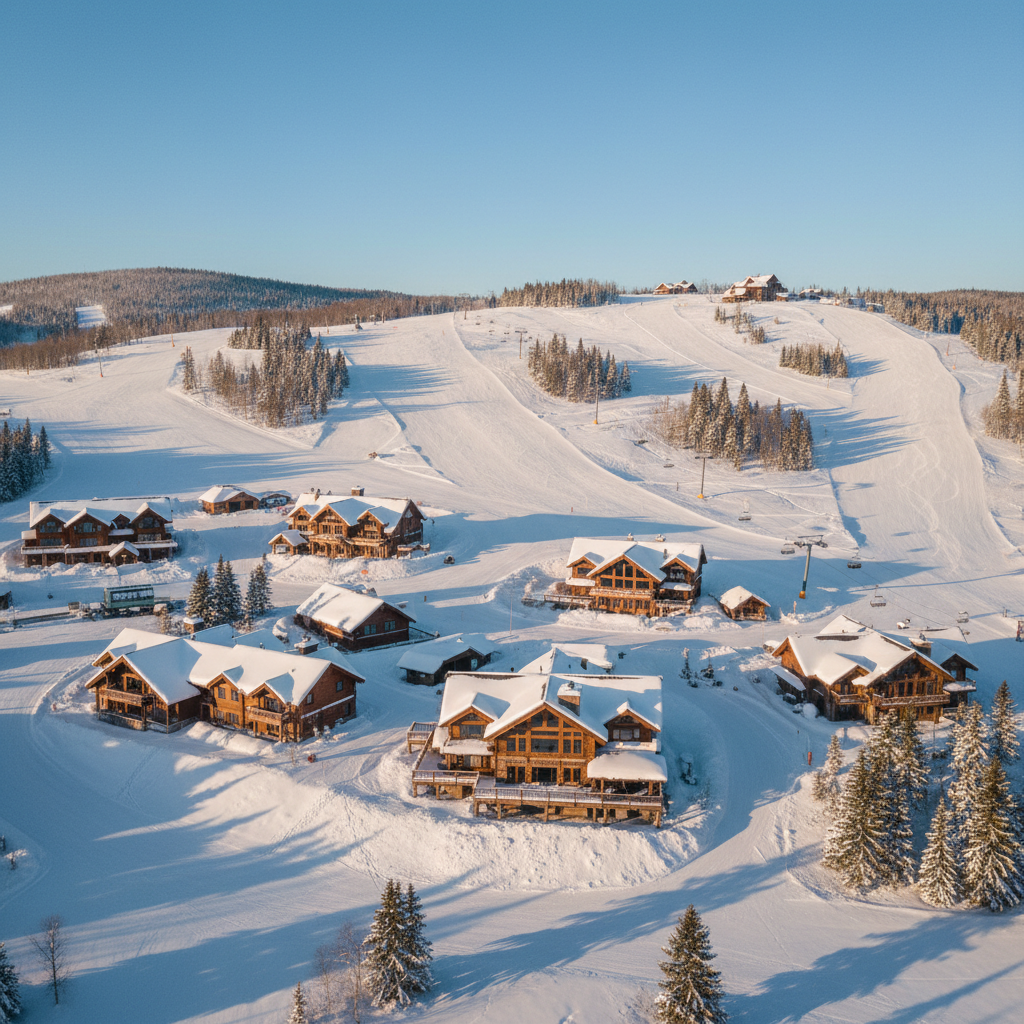
Blue Mountain is the largest ski resort in Ontario, and the real estate market around it reflects that status. For decades, the area attracted seasonal buyers who wanted a weekend ski chalet. That market still exists, but it has evolved. Today, the properties near Blue Mountain serve year-round residents, remote workers, retirees, short-term rental investors, and families who want ski-hill access as part of their daily lives. Each buyer type faces different considerations when purchasing in ski country.

This guide covers what the ski country real estate market actually looks like, from the types of properties available and their realistic costs to the rental income potential and the practical realities of owning near a resort. If you are considering buying near Blue Mountain, whether as a primary home, a vacation property, or an investment, this will help you evaluate the opportunity with clear eyes.

Blue Mountain ski resort slopes and village area

Blue Mountain anchors the ski country real estate market, drawing buyers from across Ontario and beyond.

The Geography of Ski Country

When people say "ski country" in this part of Ontario, they generally mean the corridor stretching from Collingwood west through The Blue Mountains municipality toward Thornbury. Blue Mountain Resort sits at the centre, with the village at the base of the ski hill serving as a year-round commercial and recreational hub.

Properties in this corridor vary enormously. At one end, you have resort-area condominiums within walking distance of the lifts. At the other, you have detached homes and hobby farms on acreage along the escarpment with ski-hill access that requires a short drive. The price range is equally broad, from entry-level condos to multi-million-dollar estate properties with mountain and bay views.

Understanding which part of ski country suits your needs, and your budget, is the first step toward a smart purchase. The resort village area, Collingwood's western neighbourhoods, the rural stretches between Collingwood and Thornbury, and the Thornbury village itself each offer a different experience at a different price point.

Property Types Near Blue Mountain

Resort condominiums: The Blue Mountain Village and surrounding area has a substantial inventory of condominiums built primarily for the vacation and rental market. These range from compact one-bedroom units to larger two and three-bedroom suites. Many come with access to resort amenities like pools, hot tubs, and fitness centres. Prices for these units have risen steadily, driven by rental demand and the appeal of lock-and-leave ownership.

The trade-off with resort condos is cost structure. Condo fees tend to be higher than in non-resort developments, reflecting the amenities and management services. Some buildings are operated as condo-hotels, where a management company handles rentals and takes a percentage of revenue. Understanding the fee structure, rental rules, and reserve fund health of any building you are considering is essential.

Chalets and townhouses: The traditional ski chalet, whether a standalone property or a townhouse in a cluster, remains popular in the area. These properties offer more space and privacy than condos, often with features like fireplaces, mudrooms for gear, and outdoor areas. Pricing sits above resort condos and varies based on proximity to the village, views, and lot size.

Detached homes: For buyers who want to live in ski country year-round, detached homes in Collingwood's western neighbourhoods or in the rural areas between Collingwood and Thornbury provide a full residential experience with ski-hill proximity. These are the most expensive option but offer the most flexibility for families, remote workers, and retirees who want space and permanence. Our neighbourhoods guide covers the specific Collingwood areas closest to the mountain.

Blue Mountain Village resort area with shops and restaurants

Blue Mountain Village operates year-round with dining, shopping, and activities that support both tourists and residents.

Rental Income Potential

One of the primary draws of ski country real estate is rental income. Properties near Blue Mountain can generate significant short-term rental revenue, particularly during the winter ski season and summer recreation months. The resort area attracts visitors year-round, with winter being the highest-demand period and summer growing as Blue Mountain expands its warm-weather programming.

Rental income varies widely based on property type, location, and management approach. A well-located resort condo with professional management can generate meaningful revenue during peak weeks, but the expenses, including condo fees, management commissions, cleaning, maintenance, and the inevitable periods of vacancy, eat into gross income substantially.

Short-term rental regulations have tightened in recent years. Both The Blue Mountains municipality and Collingwood have implemented or are considering rules around short-term rentals, including licensing requirements and occupancy limits. Before purchasing a property with rental income as part of your financial plan, verify the current regulations and any pending changes that could affect your ability to rent.

For a deeper analysis of the rental investment equation in the Collingwood area, including return calculations and risk factors, our rental investment guide covers the topic in dedicated detail.

Year-Round Living in Ski Country

An increasing number of buyers are purchasing near Blue Mountain not as a vacation play but as a primary residence. Remote work has made this possible for professionals who previously needed to be closer to the GTA. Retirees who want an active lifestyle with ski-hill access at their doorstep also drive this trend.

Year-round living in ski country has genuine advantages. The proximity to outdoor recreation, from skiing in winter to mountain biking and hiking in summer, is hard to replicate elsewhere in Ontario. The Blue Mountain Village provides restaurants, shops, and a social atmosphere that keeps the area from feeling isolated even in off-peak periods.

The practical challenges are worth acknowledging. Winter driving on the roads leading to and from the mountain area requires comfort with snow and ice. Some properties in the resort zone were built for seasonal use and may not have the insulation, heating systems, or infrastructure for comfortable year-round occupancy. Utility costs in winter are higher at elevation, and snow management demands are serious.

Groceries, medical care, and everyday services are concentrated in Collingwood's town centre rather than in the resort area itself. Year-round residents of ski country properties typically drive into Collingwood for most non-recreational errands. Understanding four-season living in the area will help you prepare for what year-round residency actually involves.

Costs Beyond the Purchase Price

Buying near Blue Mountain involves costs that extend well beyond the mortgage. Smart buyers calculate the full ownership burden before committing:

  • Condo fees: For resort condos, these can range from several hundred to over a thousand dollars per month, depending on the building and amenities. Always request a status certificate and review the reserve fund before buying.
  • Property taxes: Properties in The Blue Mountains municipality may carry different rates than those within Collingwood town limits. Our property tax guide provides context for comparing rates across the area.
  • Insurance: Properties used for short-term rentals may require specialized insurance that costs more than standard homeowner policies. Verify coverage requirements with your insurer.
  • Heating and utilities: Mountain-area properties face higher heating demands. Properties with electric heat or propane rather than natural gas will have significantly higher winter utility bills.
  • Maintenance: Ski country properties endure harsh winter conditions. Snow load on roofs, freeze-thaw cycles on decks and driveways, and exposure to wind all increase maintenance requirements compared to sheltered, lower-elevation properties.
Condominium building exterior near Blue Mountain

Resort-area condos offer ski-in convenience and rental potential but carry higher ongoing costs than standard residential properties.

Evaluating the Investment

Ski country real estate near Blue Mountain has appreciated well over the past decade, but past performance is not a guarantee of future returns. Several factors affect the outlook for this market:

Blue Mountain's continued investment in year-round programming has broadened the demand base beyond winter-only visitors. This is positive for property values and rental demand. However, the market is sensitive to broader economic conditions, interest rate changes, and any shifts in remote work policies that could reduce the pool of buyers willing to live this far from urban centres.

Climate change is a factor that few real estate discussions address honestly. Warmer winters could reduce the reliability of the ski season, which would directly affect rental demand and property values in the immediate resort area. Snowmaking mitigates this to a degree, but the broader appeal of the area as a winter destination depends on consistent natural snow.

The strongest investments in ski country tend to be properties that work across seasons and buyer types. A condo that rents well in both winter and summer is more resilient than one that depends solely on ski-season revenue. A detached home that functions as a comfortable year-round residence retains value better than a seasonal chalet that sits empty for half the year.

Making a Ski Country Purchase

If you have decided that ski country real estate fits your goals, a few principles will help you make a sound purchase. First, separate emotion from analysis. The appeal of owning near a ski resort is strong, and it can lead buyers to overlook practical problems like poor insulation, high fees, or weak rental numbers. Run the numbers before you fall in love with a view.

Second, understand the regulatory environment. Short-term rental rules, building restrictions, and municipal development plans all affect what you can do with a property and how its value may change. The municipalities in this area are actively managing resort-area growth, and regulations can shift.

Third, visit in every season. A property that sparkles in February with fresh powder may feel isolated in a rainy April. A condo that seems perfectly located in summer may be inaccessible during a January storm. The full picture requires full-year observation. Ski country rewards buyers who approach it with both enthusiasm and realism in equal measure.